The ivory fire of 1989
Kenya burned seized ivory in Nairobi National Park. The figures behind the fire were stark, and the international ban that followed was not the end of the story.
- Country
- Kenya
- Extent
- about 117 sq km (Nairobi NP)
- Ground
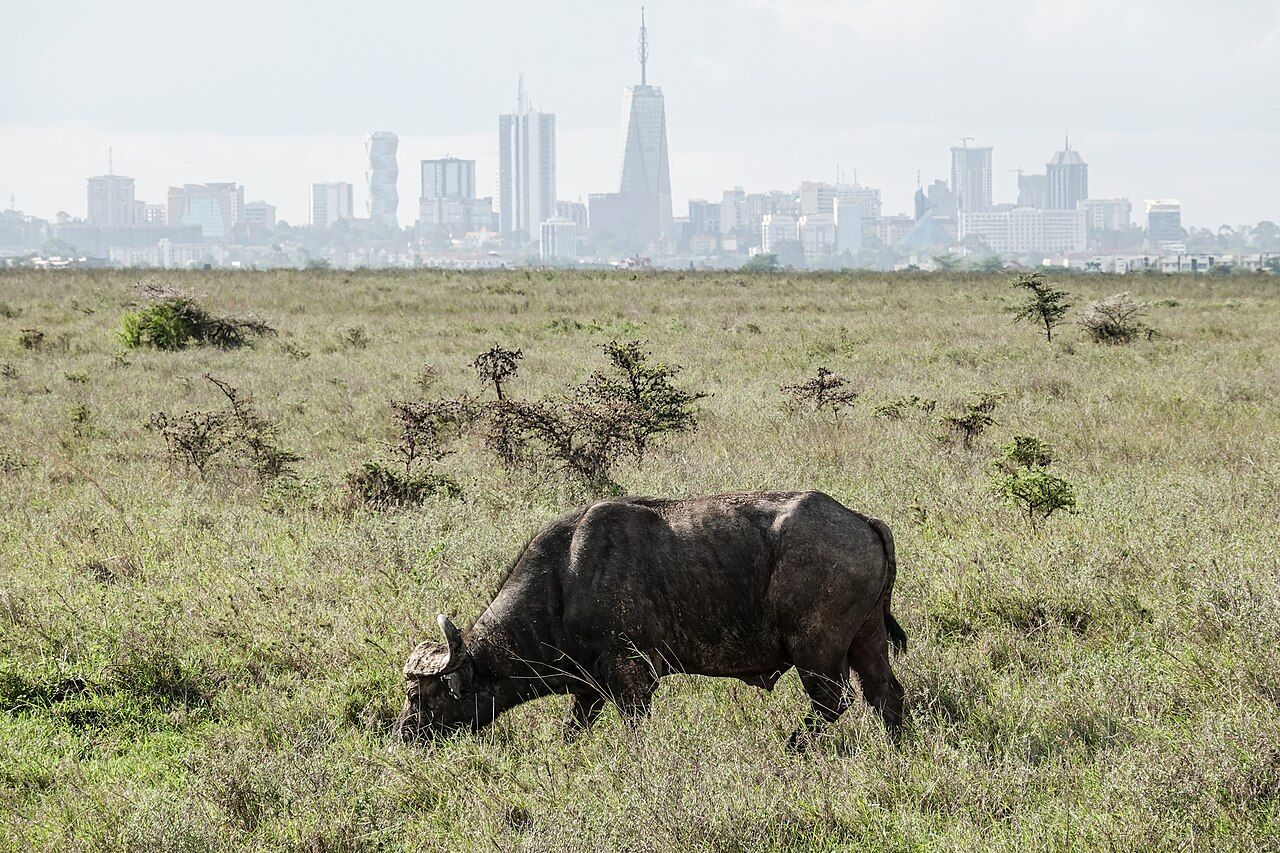
- grassland at a city's edge
 CC BY-SA 4.0 — Timothy A. Gonsalves
“Seized ivory”
It is a dry phrase for something that weighed about 12 tonnes. On 18 July 1989, President Daniel arap Moi set that ivory on fire in Nairobi National Park. The size of the pile did the explaining. I find the plainness of the phrase more unsettling than any grand description of the flames could be: this was ivory taken from a trade that was emptying the continent of elephants.
Africa’s elephant population had fallen from about 1.3 million in 1979 to roughly 600,000 by 1989, mostly because of poaching for ivory. Those figures are large enough to turn abstract, which is a nuisance when the point is to understand the scale of a loss. The change between them is not abstract. It is the reason the fire mattered.
Kenya’s own numbers were more severe still. The country had more than 100,000 elephants in the early 1970s and fewer than 20,000 by 1989. A national figure cannot tell a whole story about individual animals, but it leaves little room for a soothing version of events. I keep coming back to that gap: more than 100,000, then fewer than 20,000.
The burn was organised by Richard Leakey, then head of Kenya’s wildlife department. In 1990, when the Kenya Wildlife Service was created, he became its first director. There is something bracing about a public act built around destruction: the ivory was valuable because it came from elephants, and Kenya chose to make its value disappear in front of people.
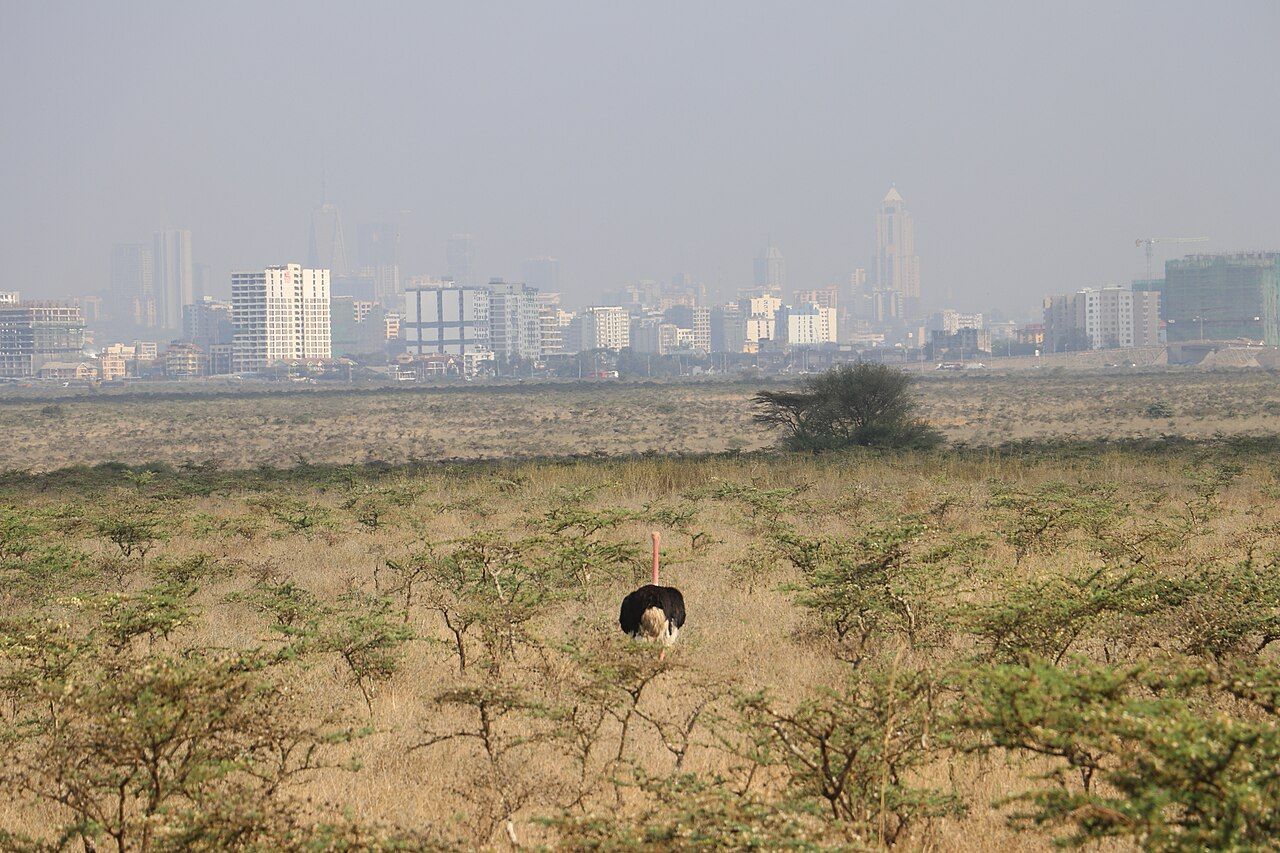
A monument now marks the site of the 1989 burn inside Nairobi National Park. The park was created in 1946 and was Kenya’s first national park. It covers about 117 square kilometres, within sight of the city’s skyline. That pairing gives the place a particular weight in my mind: grassland at a city’s edge, and a marker for a decision made in the middle of an international argument.
A fire can make a number visible, but it cannot make the loss smaller.
A fire can make a number visible, but it cannot make the loss smaller.
In October 1989, the parties to the Convention on International Trade in Endangered Species voted in Lausanne to move the African elephant to Appendix I. The listing banned international commercial trade in ivory from January 1990. The dates sit close together. Kenya’s burn helped bring the issue into view; the vote made a rule of it. The distinction matters. A striking act can focus attention, but it is not the same thing as an international decision.
 CC BY 4.0 — Shadychiri
I like the 1989 story for its bluntness, not because a fire is a tidy answer. It is tempting to let the flames stand in for resolution. They cannot. The listing changed what was allowed in international commercial trade, while the elephants’ decline remains the measure of what had already happened. The clean line of a ban does not make the preceding numbers clean.
The policy that followed also had qualifications. Botswana, Namibia and Zimbabwe were later allowed limited one-off sales of stockpiled ivory, in 1999 and 2008. Those exceptions make the history less neat than the image of a single fire followed by a permanent, uncomplicated answer. I would rather keep the complication in view than smooth the story into a victory lap.
There was another burn in Nairobi National Park in April 2016. Kenya burned about 105 tonnes of ivory, the largest ivory burn ever. The comparison with the 1989 pile is hard to miss. The later fire was larger; the fact that there was so much ivory to burn is not a reassuring sequel. A number can mark resolve and still carry the evidence of a problem that persisted.
The park’s monument holds the story in one place, while the numbers range across years and borders. That is part of why I would not reduce the event to spectacle. The fire was a statement about ivory, but the sequence around it—declining elephant populations, a vote, a ban, later exceptions, and another burn—does more of the explaining. For another account of wildlife rescue, there is the rhino rescue of the 1960s.
And the elephant story does not stop at Kenya’s border. The long view belongs with Tsavo's lost elephant decades as much as with Botswana's elephants today. I find it useful to hold loss and survival in the same frame, without pretending either cancels the other. Even the language of wildlife has its own history; there is also the origins of a hunting phrase.
The numbers: Nairobi National Park covers about 117 square kilometres; it was created in 1946.
I prefer the monument’s quiet marker to any claim that the fire settled the matter.