Tanzania
The Serengeti, Ngorongoro, Tarangire, Ruaha, Nyerere and Gombe make a varied list. Nyerere is the largest national park in Africa; wildebeest calve on the southern Serengeti plains. Gombe is where Jane Goodall began studying chimpanzees in 1960. Some beginnings leave a long shadow.
- Nyerere is the largest national park in Africa
- The wildebeest calve on the southern Serengeti plains
- Gombe is where Jane Goodall began studying chimpanzees in 1960
Serengeti3 entries
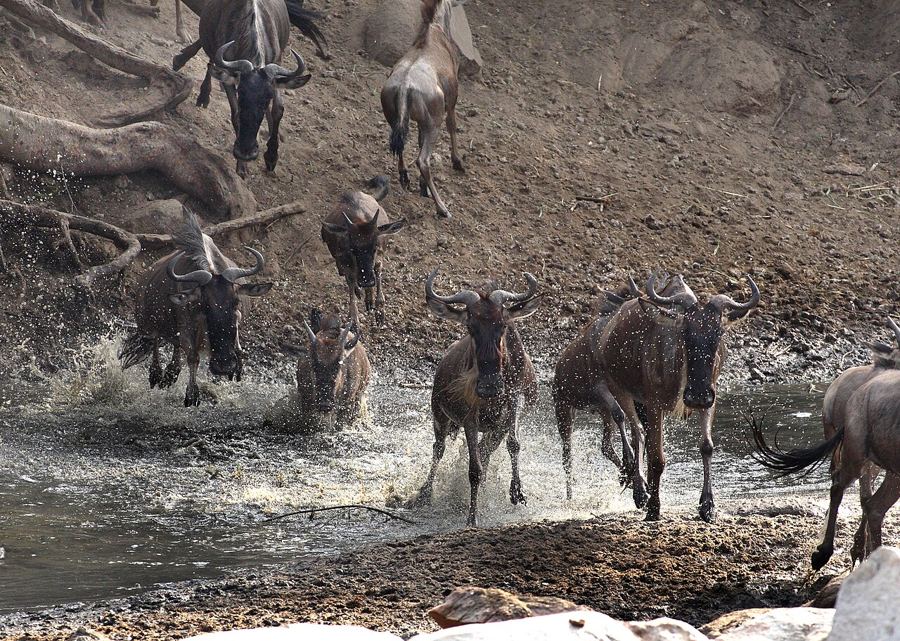 The Great Migration, month by month
The herds follow rain and fresh grass around the Serengeti-Mara ecosystem. The calendar is less a spectacle than a long, practical answer to where the grass is.
- Kopjes, the granite islands of the Serengeti
A day with the Serengeti’s granite outcrops, from water-holding crevices and animal shelters to the paintings and ringing hollows at Moru.
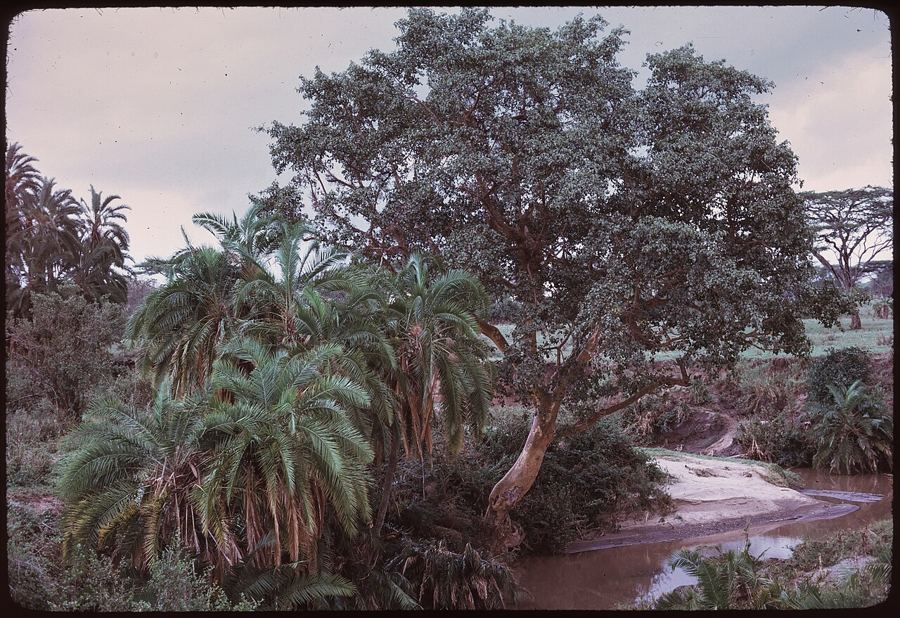 Seronera and the Serengeti’s cats
A slow day in the central Serengeti, following the river valley’s sausage trees, its leopards and the long-running study of its lions.
Ngorongoro2 entries
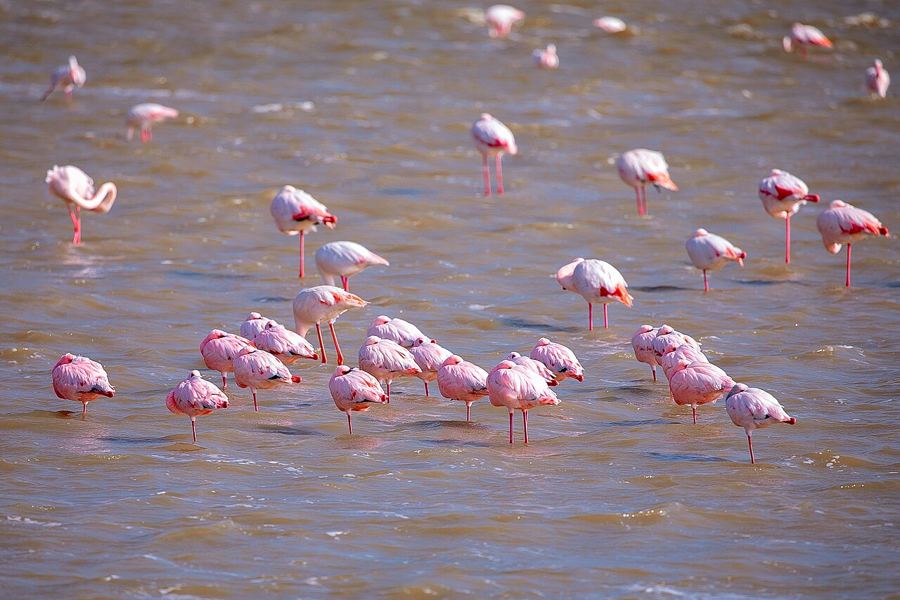 Inside Ngorongoro, a crater with a life beyond its rim
A crater floor far below a cool, misty rim, with wildlife below and a much larger multiple-use conservation area beyond its edge.
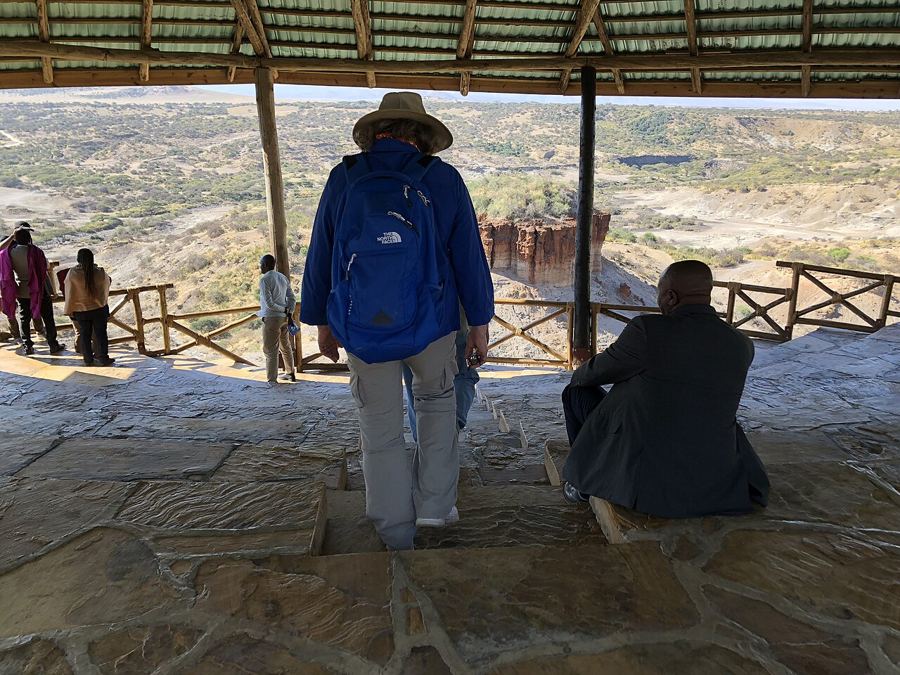 Olduvai Gorge and the footprints at Laetoli
A plant gives Olduvai its name; ash and sediment hold a long record beneath it. At Laetoli, footprints preserve upright walking from long before stone tools.
Tarangire1 entry
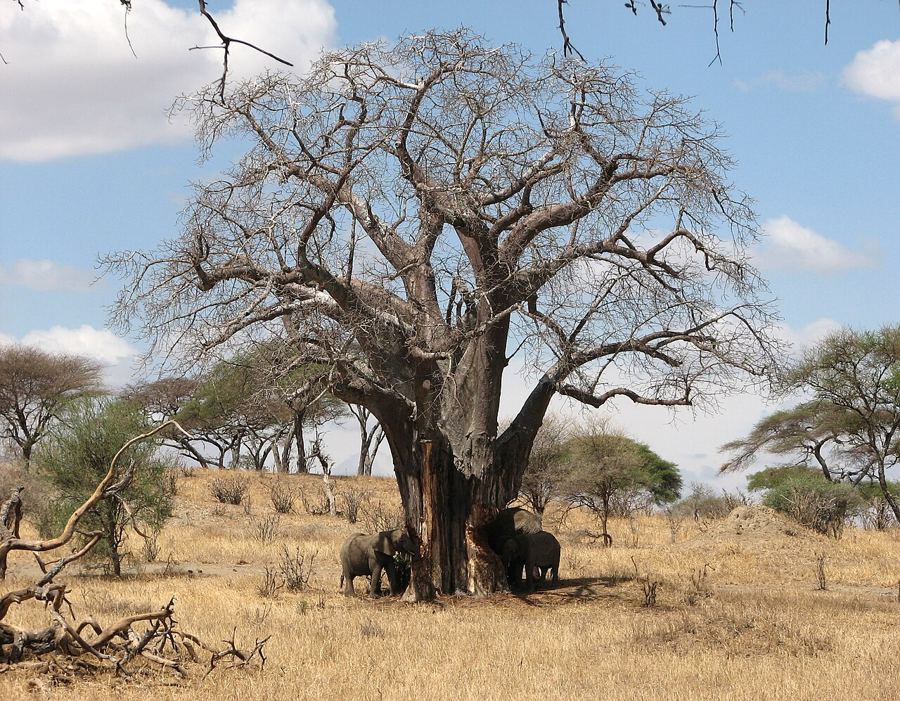 Tarangire’s baobabs and dry-season elephants
A dry-season list of river water, elephant gatherings and baobabs with moist fibre beneath the bark. Tarangire does not make dryness look especially simple.
Ruaha1 entry
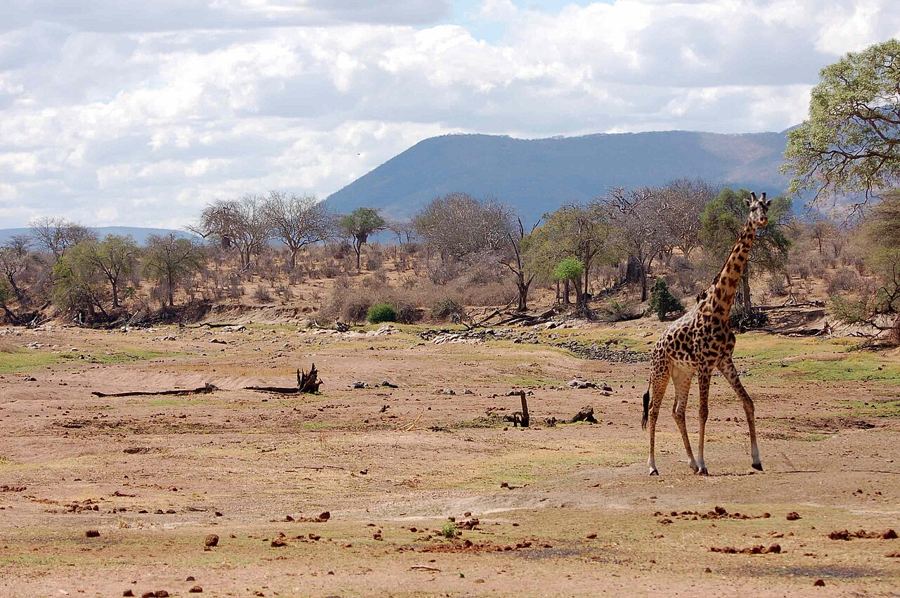 Ruaha and the river that gives it a name
A river on Ruaha’s eastern side, a meeting of acacia savanna and miombo, and a park whose boundaries expanded in 2008.
Nyerere1 entry
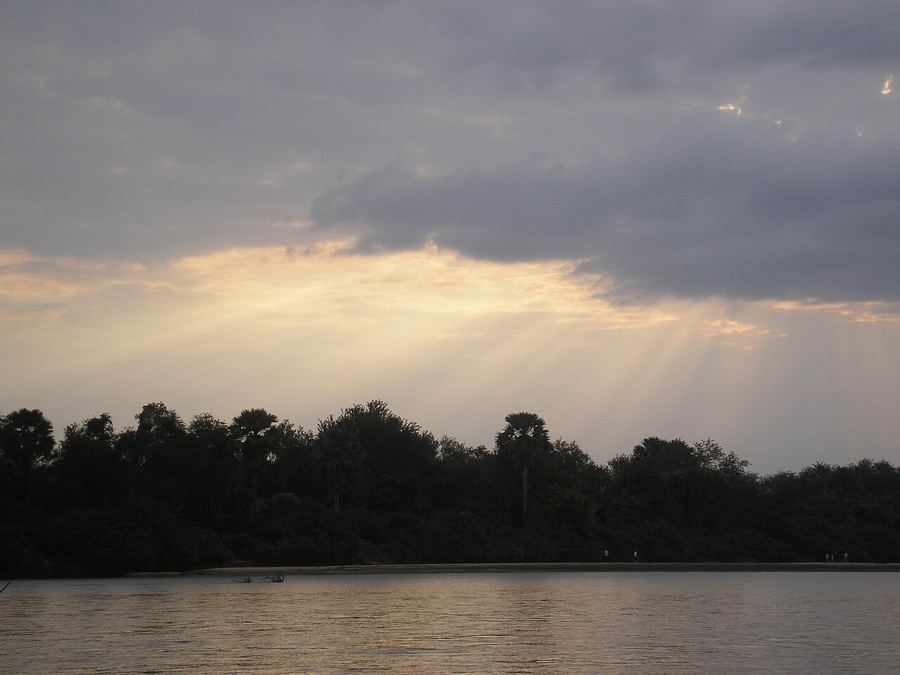 Nyerere and the Rufiji River
A river, a chain of lakes and a conservation history: Nyerere National Park is easier to understand when the Rufiji is kept in view.
Gombe1 entry
- Gombe, where Jane Goodall began
A small park on Lake Tanganyika, where Jane Goodall’s study of chimpanzees began—and grass stems made a large question harder to answer neatly.
Ways of watching1 entry
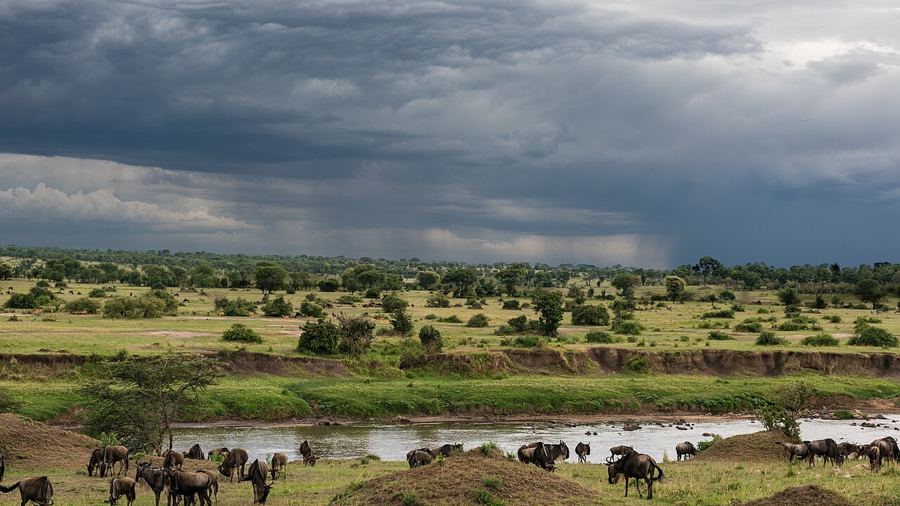 The short rains, the long rains and the dry
East and southern Africa do not share one safari calendar. Rain spreads animals out; dry months draw them towards permanent water.
Photos in this piece: CC BY-SA 4.0 — Wolves201; CC BY-SA 4.0 — Guus Gorter; CC BY-SA 4.0 — Erasmus Kamugisha; CC BY-SA 4.0 — Kufundisha; CC BY-SA 2.5 — Leyo; CC BY 2.0 — Paul Shaffner, Iringa, Tanzania; CC0 1.0 — Awinch1001; CC BY-SA 2.0 — Christoph Strässler