Luangwa, where the walking safari began
A river that changes its course, oxbow lagoons and a walking tradition pioneered by Norman Carr make South Luangwa hard to reduce to a checklist.
- Country
- Zambia
- Extent
- about 9,050 sq km
- Ground
- river valley, oxbows and mopane
 CC BY 2.0 — Geoff Gallice
I have a weakness for an origin story that refuses to stay in the past. In the Luangwa Valley, walking safaris took shape in the 1950s, when Norman Carr pioneered them here. It is a neat beginning, until the valley itself interrupts: a river that floods, shifts its course and leaves lagoons behind. The story is not just about walking. It is about a landscape that keeps changing the route, even when the idea has already found its feet.
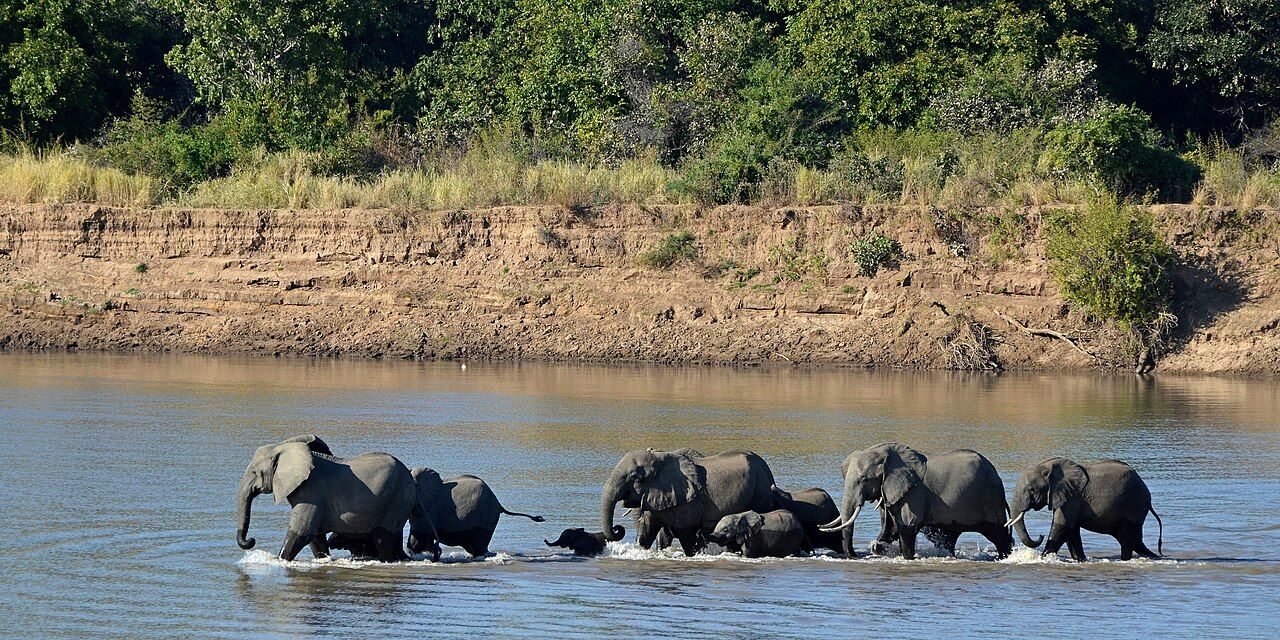
The Luangwa River runs about 770 km and floods its valley each rainy season. As it shifts, oxbow lagoons are left across the valley floor. I like this detail best. An oxbow is a record of the river’s former course, a bend that has become its own small feature of the valley. The river does not hold still, and neither does the story told about it. I find the old bends more interesting than a simple map might suggest: they make the river’s past visible without requiring it to explain itself. A modest sort of drama, which suits me.
The river does not hold still, and neither does the story told about it.
South Luangwa National Park covers about 9,050 square kilometres in eastern Zambia. The area was first protected as a game reserve in 1938 and became a national park in 1972. Those dates give the place a tidy timeline; the terrain sounds less tidy. River valley, oxbows and mopane. The facts sit together without needing much decoration, which is usually a relief. Some places arrive with a long list of adjectives. Luangwa has a river that redraws its own margins.
 CC BY-SA 4.0 — Jae zambia
The walking tradition is not a case of wandering off because the view looked inviting. Walking safaris in Luangwa are led by a guide and an armed scout from the wildlife authority. Walking is possible only once the dry-season black cotton soil has dried out. I find that practical constraint oddly satisfying. A safari story often gives the impression that the landscape is waiting on our convenience. Here, the ground has a say.
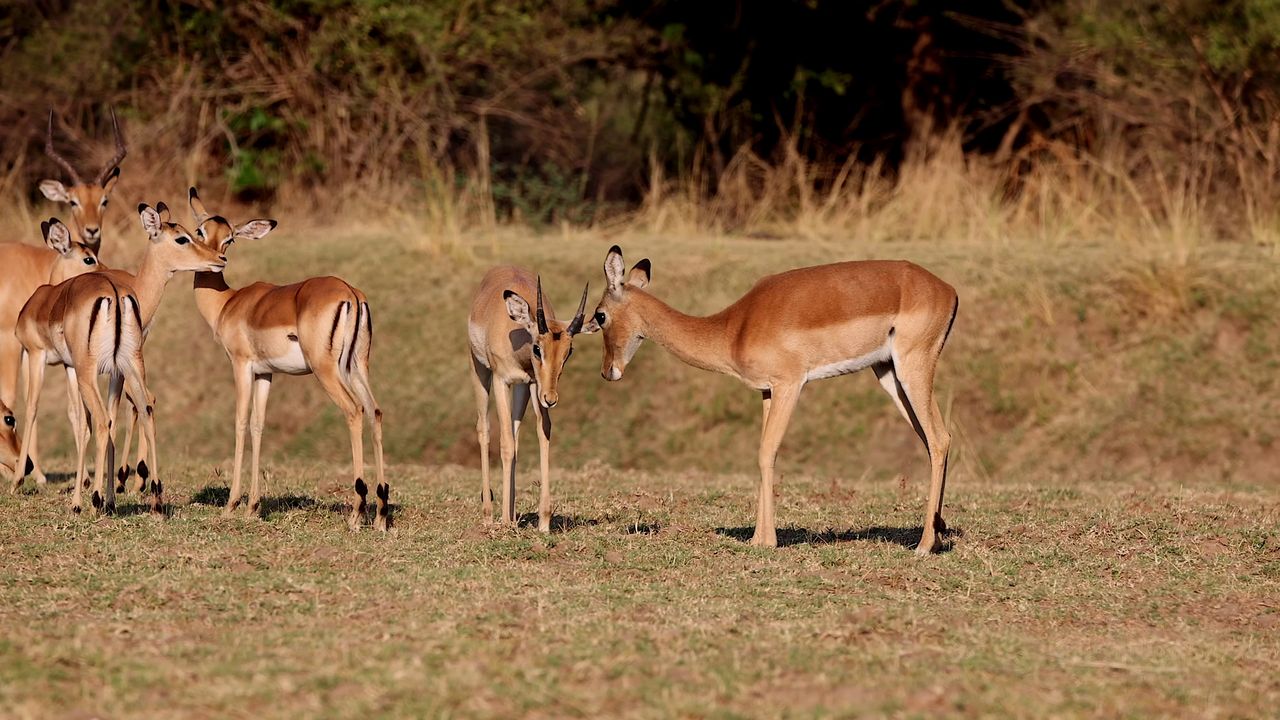
There is a particular pleasure in a place with local forms that do not need to be dressed up as rarities. Thornicroft’s giraffe, with darker blotched patterns, is found only in the Luangwa Valley. Cookson’s wildebeest and Crawshay’s zebra are local forms here as well. I would rather remember those specifics than try to collect a grand claim about the whole valley. The giraffe’s darker pattern is enough of a signature. Nature, unlike a caption writer, does not need to overstate its case.
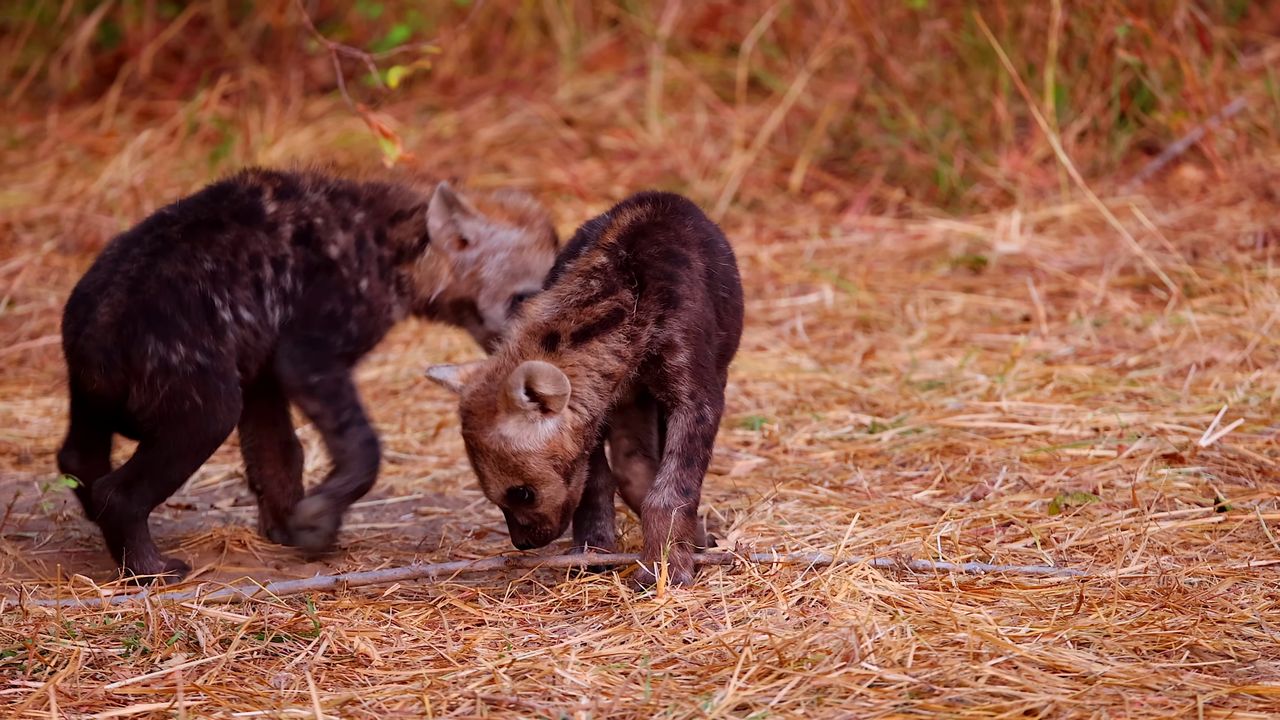
Then there are the leopards. South Luangwa is known for a high density of them, a fact that carries its own weight without promising a sighting or inventing one for the story. Hippos crowd the Luangwa River in very high numbers. The combination makes the river feel central even in a paragraph that has wandered towards other animals. I keep coming back to that: the valley is not a stage set for a single star. The river, its old bends and its wildlife share the frame.
 CC BY-SA 4.0 — Jae zambia
North Luangwa National Park lies upstream and has long been kept largely for walking, with few roads. I like the contrast in that sentence: largely for walking, few roads. It says something about how a place is approached without turning the idea into a slogan. The walking safari began in this valley, but the story does not have to stop at its beginning. A related account of South Africa's wilderness trails offers another point of comparison, without making the two places interchangeable.
There are other useful side paths. For a river-and-woodland counterpoint, I would turn to miombo and river in Tanzania. For a different detail from Luangwa, there are bee-eater colonies on the banks. And for the unromantic shape of a day built around driving, how drive days run belongs in the same conversation. I prefer these smaller connections to the grand itinerary. They let each landscape keep its own character.
Luangwa’s appeal, for me, is not that it offers a single defining scene. It is that the central facts keep pulling against one another: a river that floods and moves, lagoons left behind, animals with local forms, and a walking tradition that began here in the 1950s. The practical limits are part of the story, not an interruption to it. The walking safari found its shape in a valley that was never especially interested in holding still.