Kariba and Operation Noah: a valley under water
A lake formed, trees drowned, animals were rescued and the Gwembe Tonga were moved. The figures do not sit neatly beside one another.
- Country
- Zambia / Zimbabwe
- Extent
- about 5,580 sq km (lake)
- Ground
- lake shore and drowned forest
 CC BY-SA 4.0 — Mulengac
I find the drowned trees harder to file away than the figures. They still stand in the shallows of Lake Kariba, a visible remainder of the valley the water covered. A lake is a clean noun. A valley, a forest and the people moved to make room for it are less tidy. The trees do not make the account simpler. They make it difficult to pretend the change was only a matter of water.
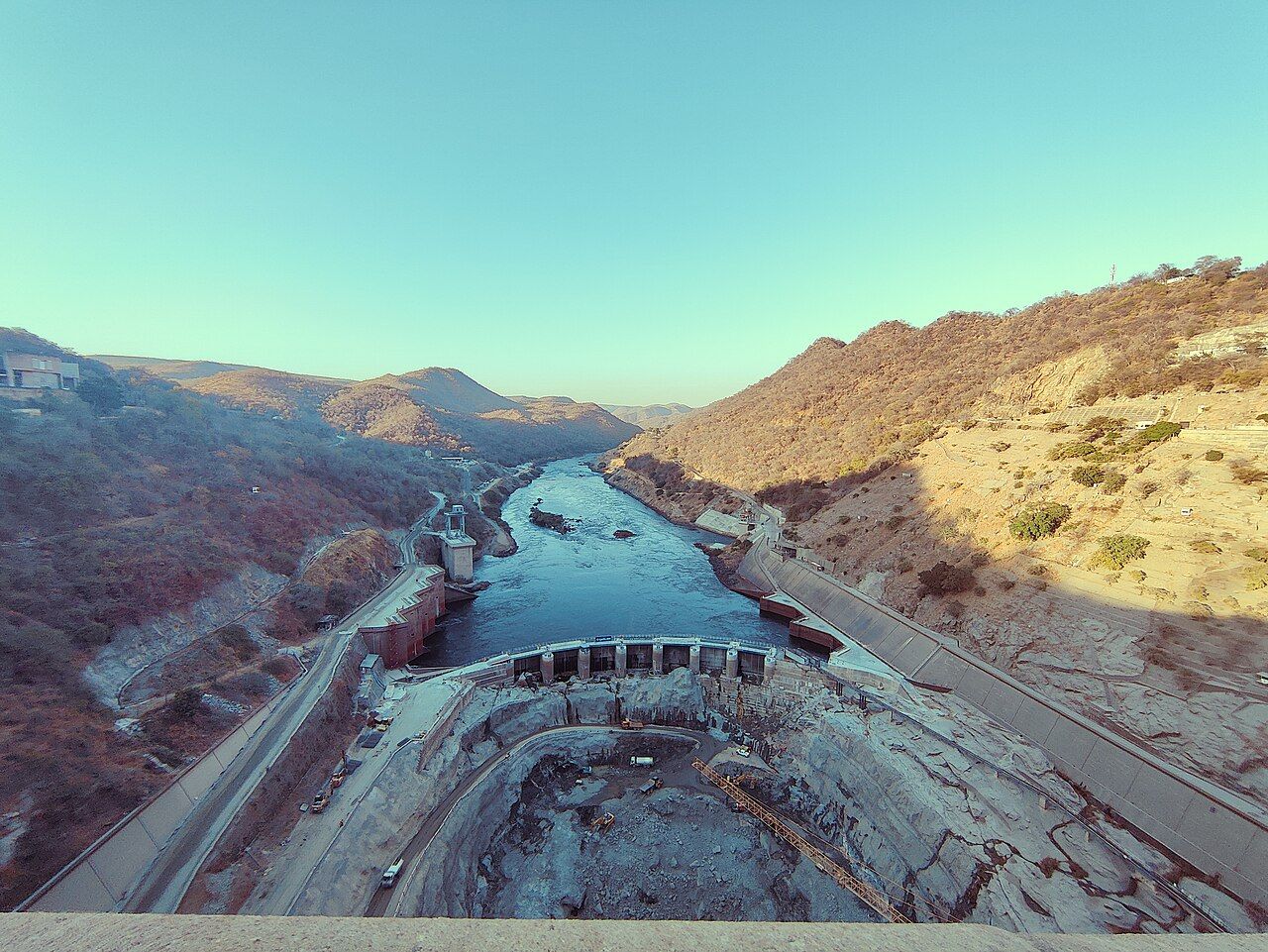
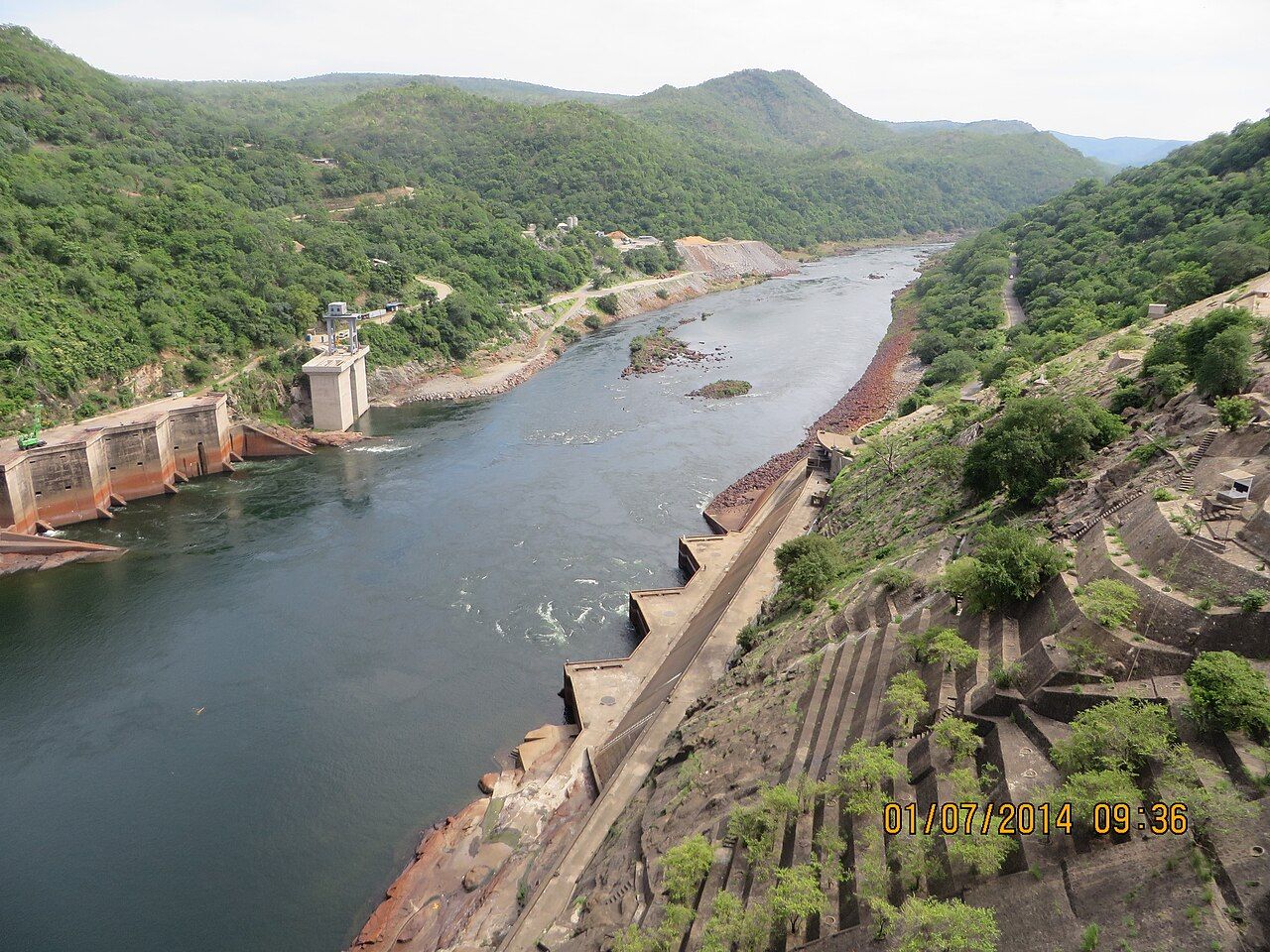
The Kariba Dam was built across the Zambezi between 1955 and 1959. Lake Kariba filled between 1958 and 1963, and covers about 5,580 square kilometres. It is the largest artificial lake in the world by volume. The dam is operated by the Zambezi River Authority, owned jointly by Zambia and Zimbabwe. The dates overlap: construction, filling, a new lake taking shape. A neat sequence would be convenient. The facts are not obliged to provide one.
Floods in 1957 and 1958 destroyed parts of the works. Then the rising water made islands of higher ground, leaving animals there. Operation Noah rescued about 6,000 animals from those islands between 1958 and 1964. The game ranger Rupert Fothergill led the operation. I can admire the scale of that rescue and still feel the oddness of the larger arrangement: animals being carried out of a landscape that was being altered by the dam.
Matusadona National Park, on the lake’s southern shore, received many of the animals moved by Operation Noah. The rescue has a practical shape in the account: animals stranded by rising water, people moving them, a destination on the lake. It is easy to let that become the whole story. It is also the part with the clearest action, which may explain the temptation. A rescue is easier to hold in the mind than a valley disappearing beneath a lake.
 CC BY-SA 3.0 — Suesen
Around 57,000 Gwembe Tonga people were moved from the valley to make way for the lake. I keep returning to that sentence. It is brief, almost brutally so, beside the years of construction and filling. The Tonga tell of Nyami Nyami, a river god with the body of a snake, said to have been angered by the dam. That story belongs here, not as a decorative flourish but as part of how the dam is remembered. I have no wish to make the account tidier than it is.
There is a before-and-after implied in the water, though not a simple one. For the Zambezi above Kariba, the dam is a dividing point; the Zambezi above Kariba is another way into that river story. And the river below the dam points downstream, beyond the new lake. These are different stretches of the same river, not substitutes for the valley that was flooded or the people who were moved.
Kariba’s scale is hard to avoid: a vast artificial lake, drowned trees in its shallows, and the record of an animal rescue set against the movement of thousands of people. I would not let Operation Noah stand in for the whole history. For another part of the changed landscape, read the floodplain after the dam.