Akagera, brought back in pieces
Akagera’s changing boundary is part of its story: a park reduced in size, then managed and restocked, without returning to the map it once had.
- Country
- Rwanda
- Extent
- about 1,122 sq km
- Ground
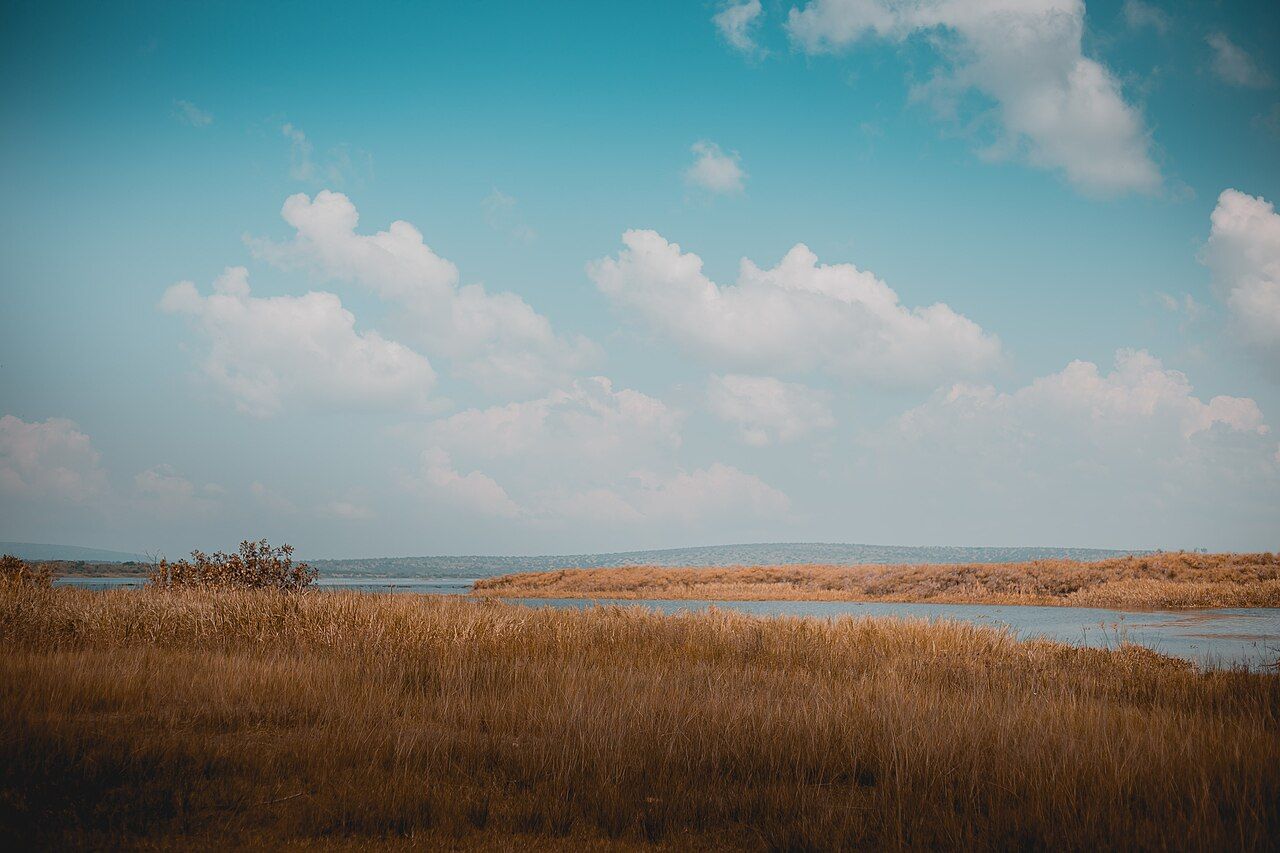
- lakes, papyrus and savanna
 CC BY-SA 4.0 — Emery045
I have a habit of looking at a park’s edges first. With Akagera, that seems less a quirk than a sensible place to begin. The story is not just about animals coming back. The boundary changed too, and it stayed changed.
The beginning. Akagera National Park was established in 1934 in eastern Rwanda. That gives the park a long history, though the outline it had then is not the outline it has now. I find the distinction useful. “Brought back” can sound like a neat rewind; Akagera’s story is less tidy, and more interesting for it.
A smaller park. In 1997, Akagera was reduced to about half its original size to make land for people returning after the 1994 genocide. The fact sits heavily beside any description of a park’s changing fortunes. It is not a decorative detail, and I would rather leave it plain than dress it up as a convenient before-and-after. It is tempting to make this into a tidy arc, with loss on one side and repair on the other. The dates resist that: the park has not returned to its former size, and the history around the reduction is not a footnote.
The present outline. Akagera now covers about 1,122 square kilometres. Its terrain is lakes, papyrus and savanna: a description with more variety than the word “savanna” alone suggests. The park’s water is not one single feature in the background. Lake Ihema is its largest lake, and it lies on the Kagera River system. That gives the landscape its own particular shape, even before the animal story enters.
Management changed too. Since 2010, Akagera has been run by the Rwanda Development Board in partnership with the non-profit African Parks. That partnership belongs in the story alongside the reductions and reintroductions. I’m wary of treating a park as if it were simply a boundary around wildlife; who runs it is part of what has happened here. For a wider look at the five animals restored, there is another story.
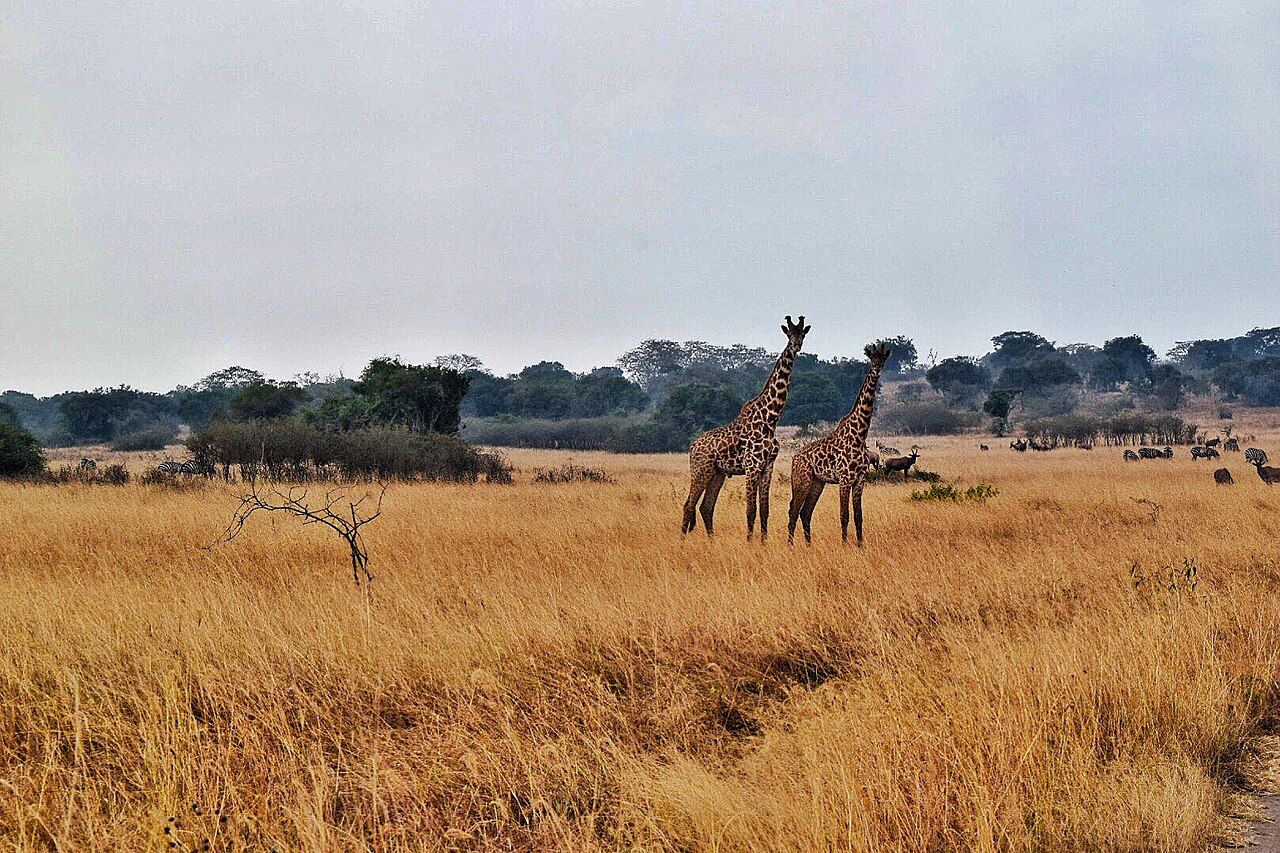
Lions returned. Lions disappeared from Rwanda in the years after 1994. In 2015, seven lions from South Africa were reintroduced to Akagera. The account is blunt in a useful way: lions disappeared, and seven were brought back in a named year. Eastern black rhinos were brought back in 2017. Those are substantial changes, but they do not erase the park’s changed size. The story can hold both facts at once.
Water and papyrus. The Kagera River forms Akagera’s eastern boundary and is often treated as the most distant headstream of the Nile. Papyrus swamps along the park’s lakes are home to shoebills. I have a soft spot for this detail: it makes the watery edges feel as important to the account as the animals that attract most of the attention. For another Rwanda landscape, there is Rwanda's gorilla volcanoes. For the rhino story, see Lake Nakuru's fenced rhinos.
 CC BY-SA 4.0 — Alex shema
The numbers: established in 1934; about 1,122 square kilometres now.