Kibale, the primate forest
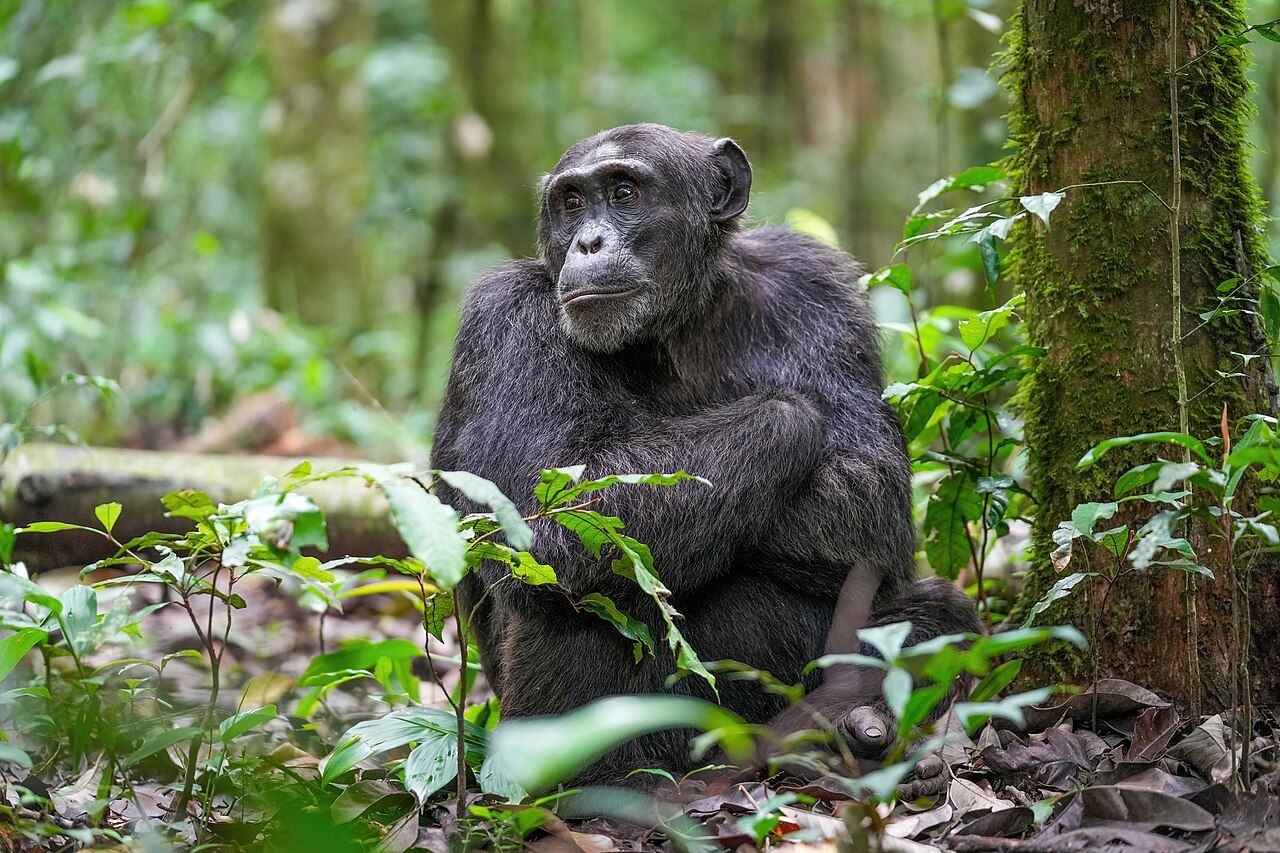
Kibale is rainforest in western Uganda, where thirteen primate species share a story with chimpanzees, fieldwork and a community of around 200.
- Country
- Uganda
- Extent
- about 795 sq km
- Ground
- tropical rainforest
 CC BY-SA 4.0 — Giles Laurent
I find it hard to be casual about a forest with thirteen primate species. Kibale is rainforest in western Uganda, and even its chimpanzee figures arrive with a footnote to the footnote. A useful place to begin, then, is with what the forest is—and what it is not.
A forest with boundaries. Kibale National Park covers about 795 square kilometres of forest. It became a national park in 1993. Those are tidy facts for a place whose headline, for me, is less tidy: a stretch of rainforest with a remarkable number of primates in the story. I like a destination that resists being reduced to one animal, even when that animal is rather hard to ignore.
Thirteen kinds of company. Thirteen species of primates live in Kibale. The Ugandan red colobus and L’Hoest’s monkey are among them. I keep returning to the number, because it changes the emphasis. This is not only a chimpanzee forest, though the chimpanzees do make a persuasive case for the title. The other names matter too; they stop the whole place becoming a single, very famous face.
The larger chimpanzee picture. About 1,500 chimpanzees live in Kibale, the largest population in Uganda. That is the figure to hold in mind before narrowing the view to one community. I have a soft spot for this sort of distinction: the broad count, then the smaller group within it. Nature, as ever, is not obliged to organise itself around the neatest sentence.
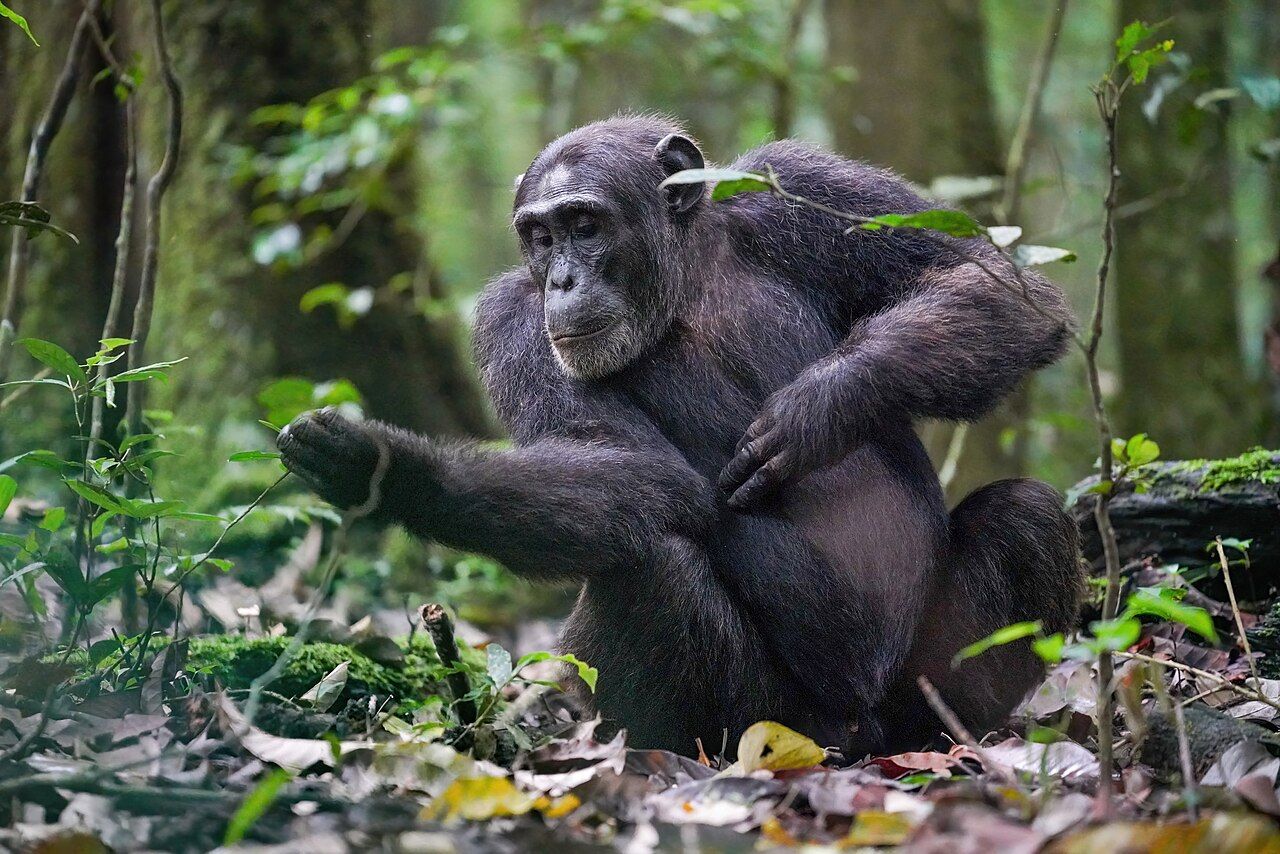
Ngogo, in particular. The Ngogo chimpanzee community numbers around 200, making it the largest known in the wild. Around 200 is already a substantial community; “largest known” gives the phrase a little extra weight. I would not try to turn that into a grand metaphor. The plain fact is interesting enough, and grand metaphors are usually where a piece starts behaving better than its subject.
A project, and a starting point. The Kibale Chimpanzee Project was started in 1987 by Richard Wrangham. Kanyanchu is the starting point for chimpanzee walks in the park. I like that these facts sit beside each other: one names the beginning of a project, the other the place to begin a walk. For another chapter in chimpanzee study, there is where chimpanzee study began.
Edges and nearby names. Crater lakes lie scattered around the edges of Kibale. Fort Portal, the nearest town, is about 30 km to the north. The lakes give the park’s edges their own quiet presence in the description; the town gives the map a point of reference. I prefer these modest details to a long list of grand promises. A forest can manage its own introduction.
Where I would point next. Kibale belongs in a wider reading of Uganda, not as a substitute for every other landscape but as its own particular argument. I would continue with gorillas in the south-west, then take a look at the savanna below the forest. Different stories, and no need to make them compete.
 CC BY-SA 4.0 — Giles Laurent
The numbers: about 795 square kilometres; Fort Portal about 30 km north; national park since 1993.