The Central Kalahari and Deception Valley
Fossil river valleys, dark-maned lions and summer rain give the Central Kalahari its character. The desert, as it happens, is not quite a desert.
- Country
- Botswana
- Extent
- about 52,800 sq km
- Ground
- semi-desert sand, pans and fossil valleys
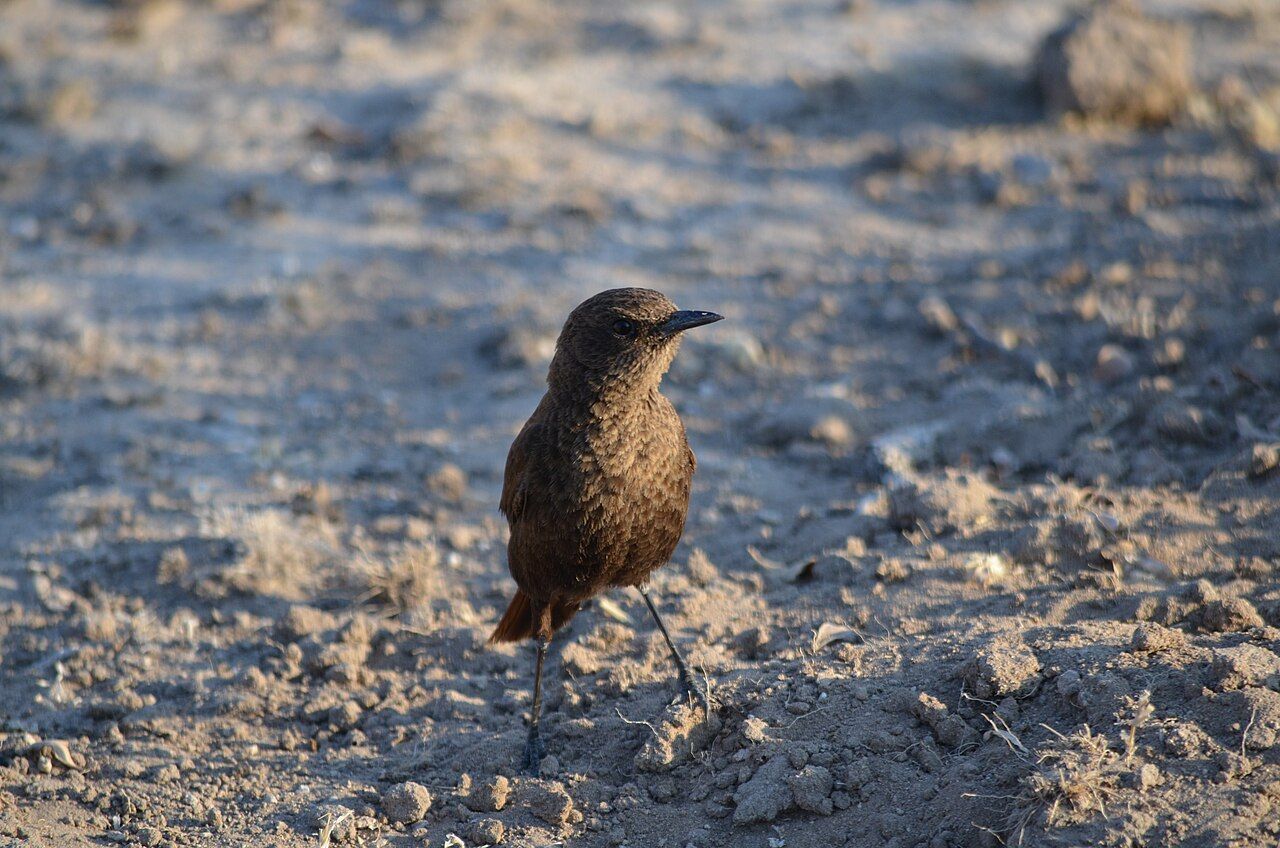 CC BY 2.0 — Benjamin Hollis from Seattle, WA, USA
I have a small quarrel with the word desert. It suggests a place where the story is mostly about what is missing. In the Central Kalahari, that overlooks the grass, trees, old valleys and animals, and gives the place a rather unfair review.
The reserve was established in 1961 and covers about 52,800 square kilometres. It was originally set aside partly as a homeland for the San who lived there. That history belongs near the beginning, not tucked away like an administrative footnote. The San of the central desert is a useful place to follow that thread.
Deception Valley is a fossil river valley. It has not carried a river for thousands of years, which makes the name feel like a dry joke with a very long delivery. I like that the landscape keeps the shape of something that is no longer there. A riverless valley is still a valley; the absence is part of the subject.
The Kalahari is a semi-desert of red and white sands, not a true desert. Grass and trees grow here. The distinction matters: calling it simply a desert makes the place sound more spare than the facts allow. The red and white sands do enough work on their own. I would keep this story separate from the red dunes further south.
After the summer rains, springbok, gemsbok and wildebeest gather on the grassy pans of the old valleys. There is a satisfying change of scale in that sentence: a valley that has been dry for thousands of years, then grass and animals after rain. No need to dress it up. The old river beds have quite enough going on without pretending to be rivers.
There is no permanent natural water in the reserve. Kalahari tsamma melons store water and are eaten by animals and people. Gemsbok can go for long periods without drinking, getting moisture from melons and roots. I find this a more interesting account of thirst than a grand claim about endurance: the practical business of finding what is there.
Kalahari lions are known for their dark manes. Mark and Delia Owens studied brown hyenas and lions in Deception Valley from 1974, and wrote Cry of the Kalahari in 1984. Those details give the valley a human record as well as a geological one. For another account of lions, there is lion study on the Serengeti.
The rain is not a small supporting detail. It is what precedes the gathering on the grassy pans, and it changes the way the semi-desert reads. I am wary of descriptions that make a place sound like one fixed thing. Here, the old valleys, the grass and the dry stretches all belong in the picture. The name desert can stay, but it should share the page.
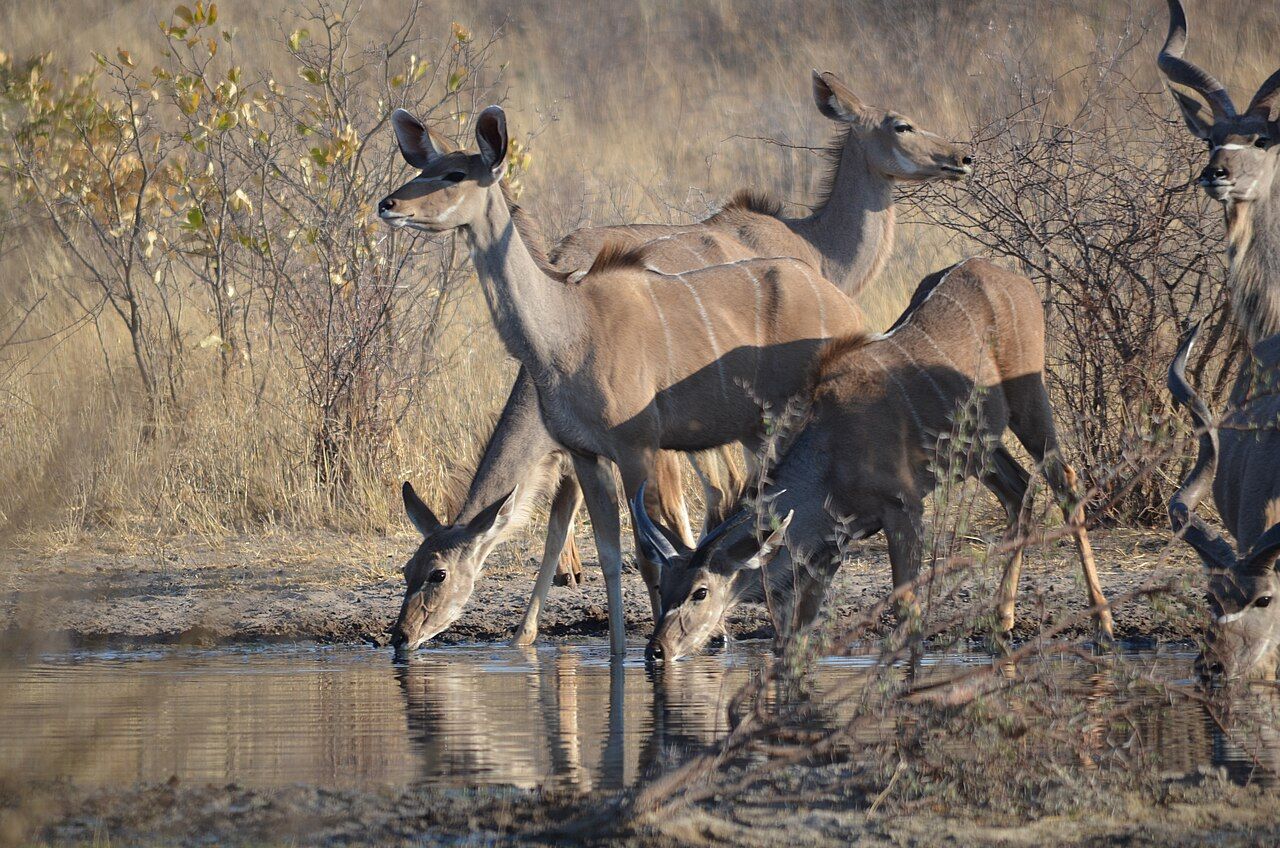 CC BY 2.0 — Benjamin Hollis
The numbers: about 52,800 square kilometres; established in 1961. A riverless valley with dark-maned lions is quite enough plot for me.