Nyerere and the Rufiji River
A river, a chain of lakes and a conservation history: Nyerere National Park is easier to understand when the Rufiji is kept in view.
- Country
- Tanzania
- Extent
- about 30,893 sq km
- Ground
- river, lakes and miombo
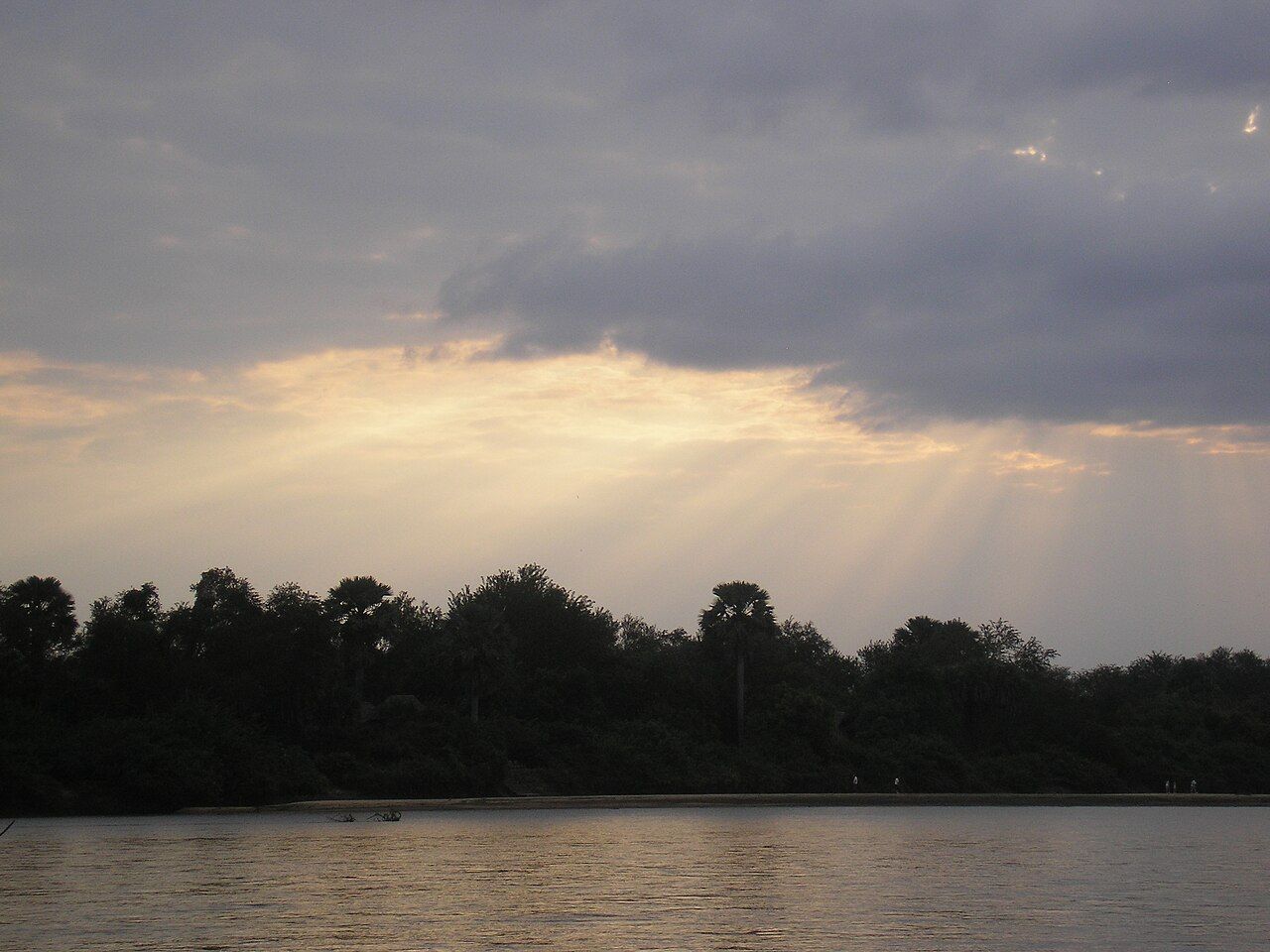 CC0 1.0 — Awinch1001
The Rufiji River runs through the park.
Nyerere National Park was created in 2019 from the northern part of the Selous Game Reserve. At about 30,893 square kilometres, it is the largest national park in Africa. Those are large facts, and the Rufiji gives them a line to follow. I find a river more useful than a superlative: it gives the park a shape without pretending the shape is simple.
The Selous Game Reserve was first set aside in 1922 and named after Frederick Selous, a hunter and writer. He was killed in 1917 at Beho Beho during the East African campaign of the First World War; his grave lies there. The name carries both a person and a history, which is rather more complicated than a label on a map. The park’s present name does not erase that earlier one.
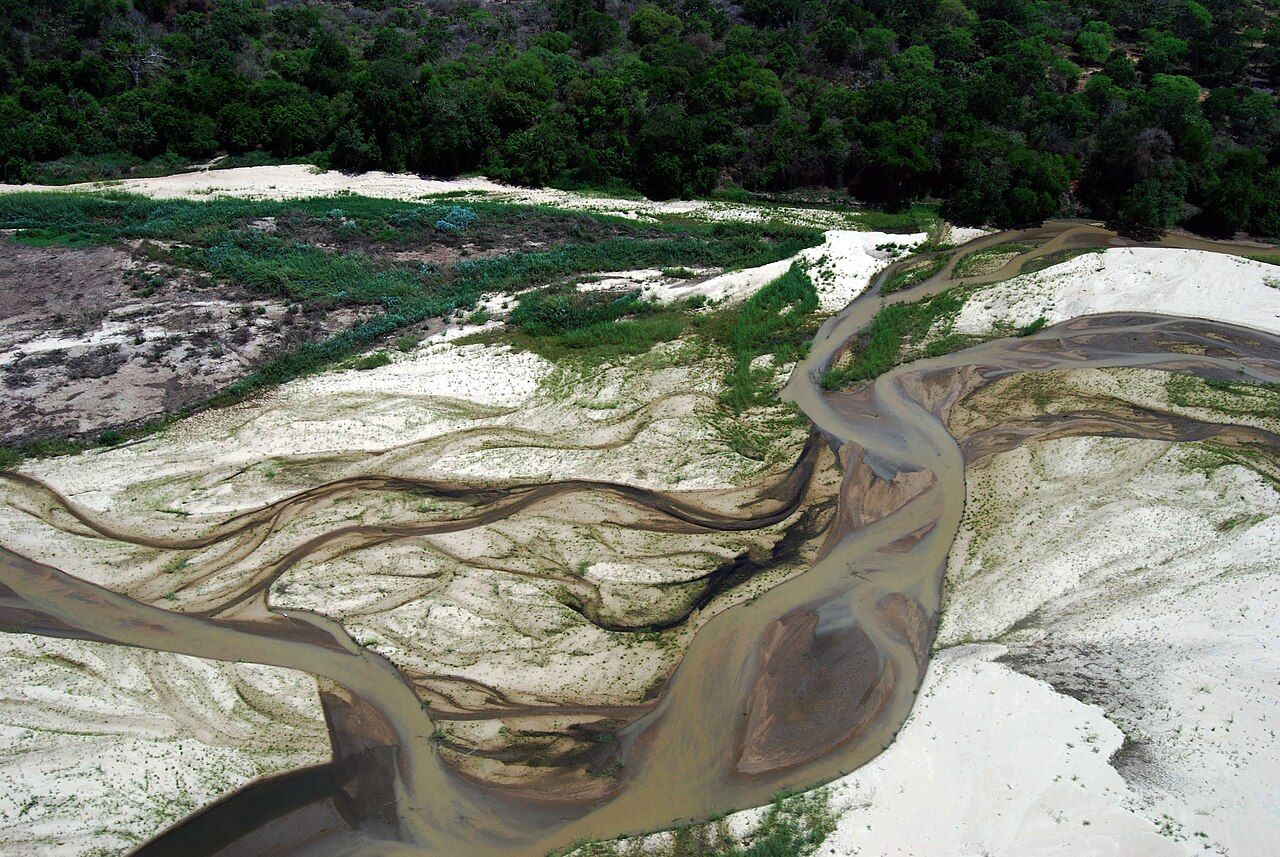
The Rufiji is not only a line across the park. It forms a chain of lakes, including Tagalala and Manze. Boat trips on the river and its lakes are a usual way of seeing wildlife here. I like that this is the practical centre of the story, not a side note: the water links the park’s geography to the way people experience it. For another river setting, there is upstream on the Great Ruaha.
The Selous Game Reserve received World Heritage status in 1982. In 2014 it was placed on the danger list because of elephant poaching. The dates make for a stark pairing: recognition, then a warning. There is no neat ending in those two entries, and I would not try to supply one. The reserve’s conservation history belongs in any account of the park that took shape from its northern part.
The scale of the loss is blunt. The Selous ecosystem’s elephants fell from over 100,000 in the 1970s to about 15,000 by 2014. I dislike how quickly a number can become background scenery, especially when it records a decline of that size. It is worth keeping both figures in the same sentence. The river and lakes may draw the eye, but this is part of the landscape’s history too.
From 2019, the Julius Nyerere hydropower dam was built across the Rufiji at Stiegler’s Gorge. That places another major fact on the river’s course, alongside the chain of lakes and the boat trips used to see wildlife. I will not pretend the details resolve into an easy verdict. The dam belongs in the account because the Rufiji is not simply a scenic line; it is also the site of this project.
Nyerere is one of the strongholds of the African wild dog. That fact gives the park another wildlife focus, though it does not cancel the history of elephant poaching or the numbers that followed. I would keep the two in view rather than turn the place into a single headline. There is more on Africa's painted wolves, and another river journey in canoeing the Zambezi.
 CC BY 2.0 — BBM Explorer, Ipswich, United Kingdom
The numbers: about 30,893 square kilometres; set aside in 1922; inscribed in 1982; on the danger list in 2014.