Cape Cross and the coast that keeps its wrecks
At Cape Cross, a vast seal colony shares the Atlantic shore with a stone cross and the story of a long rescue. Northward, the Skeleton Coast name needs little decoration.
- Country
- Namibia
- Ground
- foggy Atlantic shore
 CC BY-SA 4.0 — Josep M. Gracia
“Skeleton Coast” is a name with no interest in making itself sound inviting. I like its bluntness. Namibia’s Atlantic shore is fog-bound, and at Cape Cross the mood is set by two things that refuse to be background: a great seal colony and a stone cross with a long history.
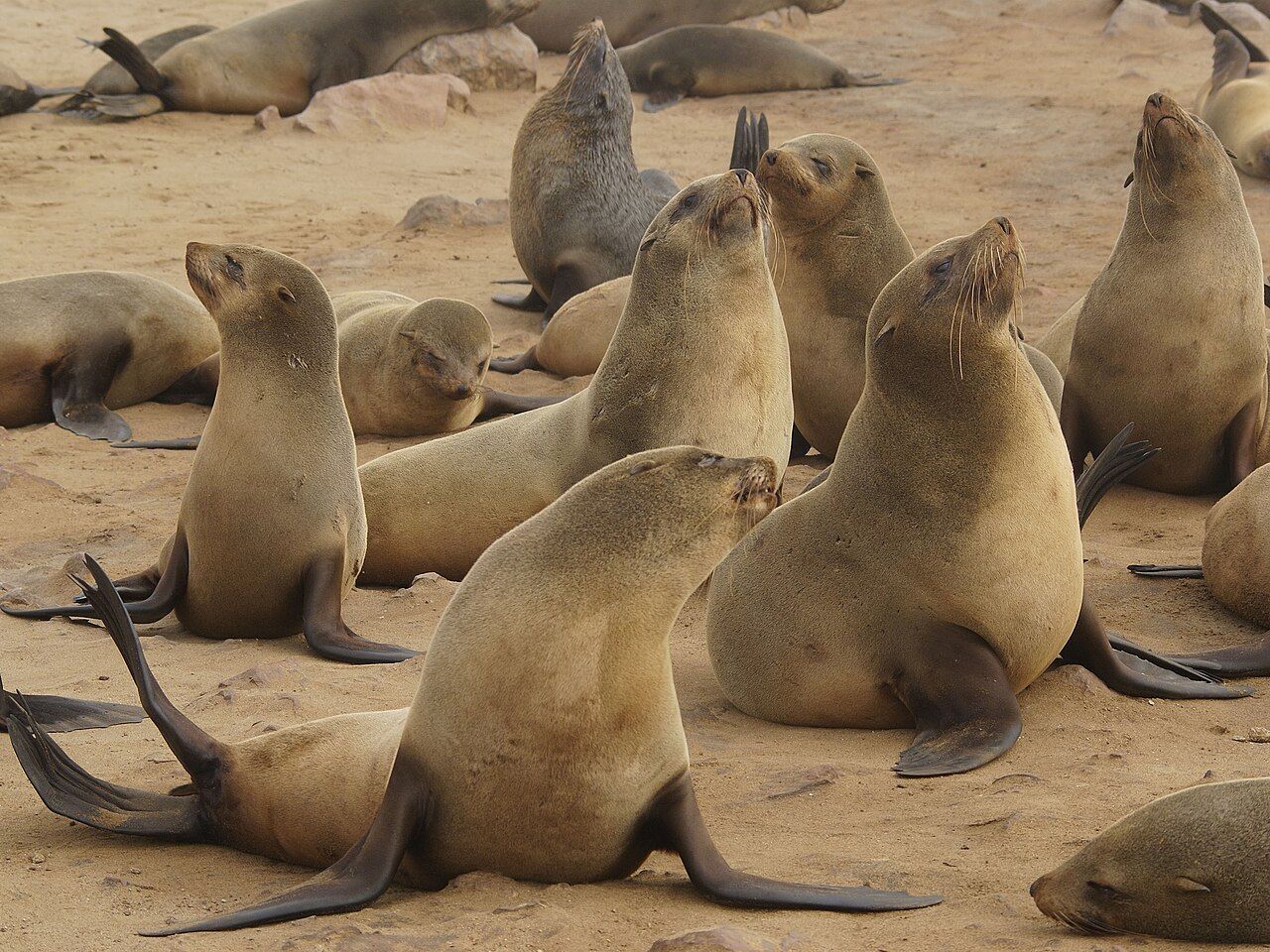
Cape Cross is home to one of the largest colonies of Cape fur seals in the world. The colony can number tens of thousands of animals, rising to many more in the breeding season. These are not figures that need a dramatic caption. The scale does the work, rather like a guest who has arrived with a whole family and no plan to leave soon.
The coast belongs to the Atlantic fog as much as it belongs to the seals. I find that an apt combination: a shore with a reputation for wrecks, softened only in visibility, not in name. Cape Cross is not simply a place to look at animals. It also keeps a piece of the coast’s human history in view.
The cross
In 1486, the Portuguese navigator Diogo Cão set up a stone cross, a padrão, at Cape Cross. The original padrão was taken to Germany in 1893. A replica now stands in its place. There is something dryly appropriate about a monument to arrival being represented by a copy, while the seals carry on being very much present.
Cape Cross Seal Reserve was proclaimed in 1968. The seals are not a side note to the site, and the cross is not the whole story. I prefer places that resist being reduced to one neat label. Cape Cross has an awkward abundance of them: wildlife, a marker of Portuguese arrival, and the Atlantic coast itself.
 CC BY-SA 4.0 — Hans Hillewaert
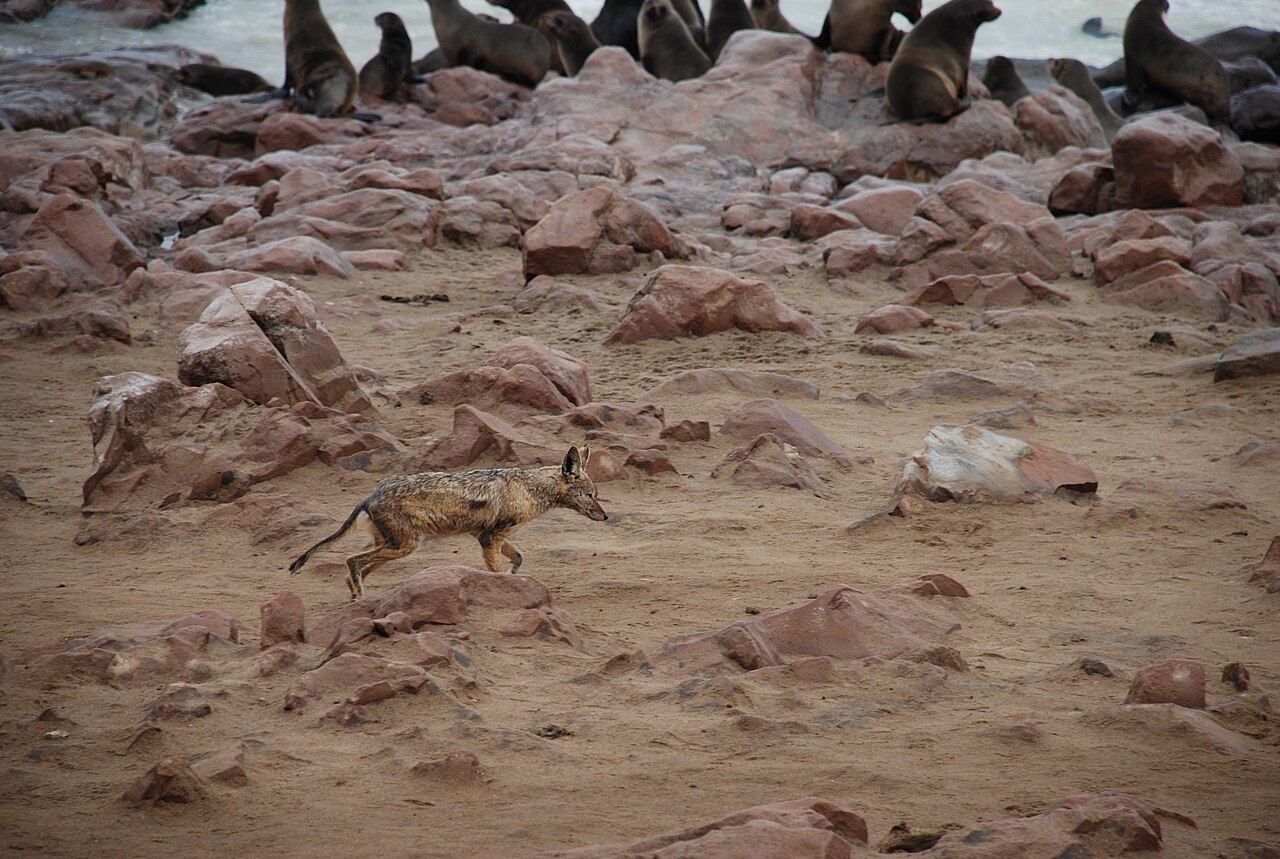
Most Cape fur seal pups at Cape Cross are born in late November and December. Brown hyenas and black-backed jackals feed on seal pups along the coast. That is the less polished part of the colony’s story, and the part I would not leave out just because a caption might prefer a simpler scene. Nature has never shown much interest in making the visitor’s preferred edit.
Further north
Skeleton Coast National Park was proclaimed in 1971. It runs north from the Ugab River to the Kunene. The name refers to whale and seal bones on the beaches, and to the wrecks of many ships. It is a name built from evidence, rather than a marketing department’s attempt to improve the view.
The Dunedin Star ran aground on the Skeleton Coast in 1942, leading to a long rescue. That single wreck gives the larger name a particular human scale. The coast’s reputation is not made up of one ship, of course; the facts are broader, and less tidy: bones, wrecks, fog, and the long stretch of park running north.
For an inland contrast, there is a colonial fort inland. It makes a useful change of subject from a shoreline whose attractions include both a seal colony and the remains of ships. I would keep the coast’s plain name, though. It has earned it.
The numbers: Cape Cross Seal Reserve, proclaimed in 1968; Skeleton Coast National Park, proclaimed in 1971, running from the Ugab River to the Kunene. For another story from the north, see the Kunene's desert lions.